Carrier Buying Guide for Woodland Hills
Last updated June 13, 2026. Cost lanes are typical 2026 Los Angeles ranges; confirm with a local quote.
Quick read: Choosing a Carrier system in Woodland Hills comes down to matching Infinity, Performance, or Comfort to your runtime, ducts, and budget, so call Woodland Hills Carrier HVAC at (213) 513-5256 or book online for a Manual J load-calc-backed quote across 91364, with installs running $5,000 to $16,000. The right tier follows your home, not a brochure.
Quick details
- Infinity (24VNA6/26VNA1): variable-speed Greenspeed, premium comfort
- Performance (26TPA8/26SPA6): two-stage and single-stage mid-tier
- Comfort (26SCA5/26SCA4): single-stage value tier
- Central AC replacement: $5,000 - $12,000; heat pump $6,000 - $16,000
- Furnace replacement: $3,000 - $7,500 (CA Ultra-Low NOx common)
- Sizing needs a load calc, not a tonnage guess
- Service area 91364, 91367, 91371; independent, all brands
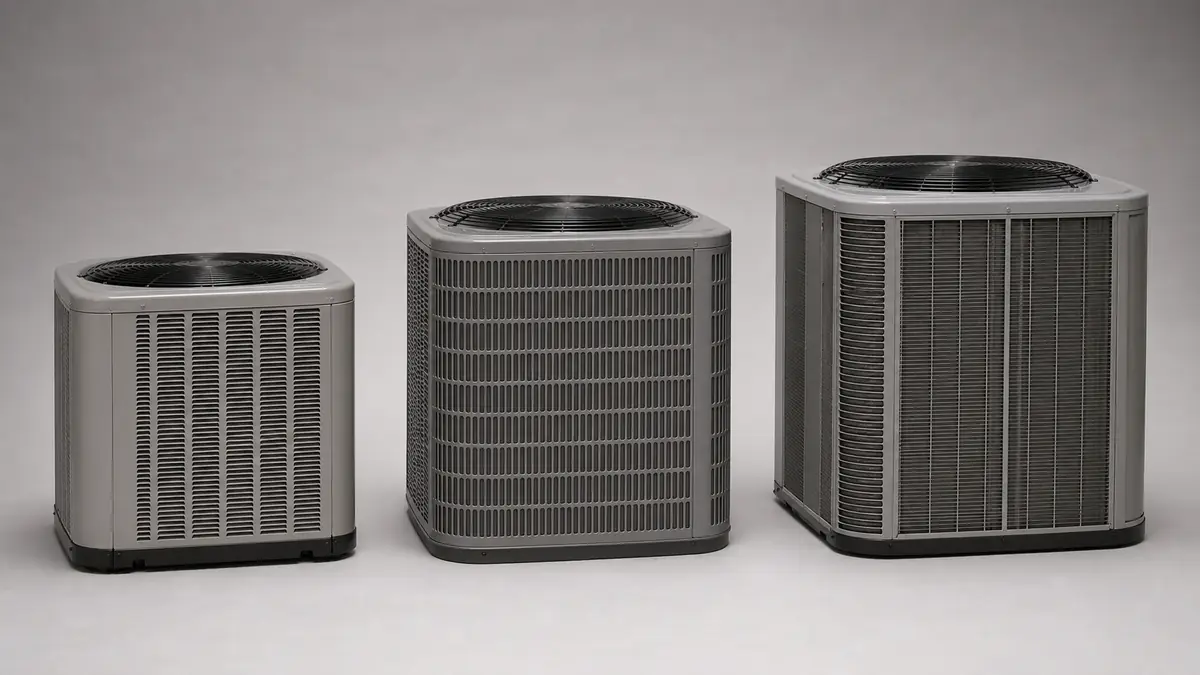
How do the three Carrier tiers compare?
Carrier splits its residential line into three tiers, and the difference is mostly about how the compressor runs. Comfort is single-stage: full power or off. Performance adds two-stage operation, running gently most of the time and ramping up only on the hottest afternoons. Infinity uses the Greenspeed variable-speed inverter, modulating roughly 25 to 100 percent for the steadiest temperatures and the highest efficiency. More staging means quieter operation, better humidity control, and lower bills, at a higher up-front cost.
| Tier | How it runs | Best for | Installed cost lane |
|---|---|---|---|
| Comfort (26SCA5) | Single-stage on/off | Rentals, flips, budget swaps | $5,000 - $8,000 |
| Performance (26TPA8) | Two-stage | Owner-occupied, heavy runtime | $7,000 - $10,500 |
| Infinity (24VNA6) | Variable-speed Greenspeed | Large rebuilds, premium comfort | $9,000 - $14,000 |
Which Carrier models fit which home?
Tier is the headline; the specific model is what actually lands on your slab. These are the residential Carrier families common in west-Valley homes, both current and recent naming, with what each is built for.
| Model | Tier / type | Key trait | Best fit |
|---|---|---|---|
| 24VNA6 (Infinity 26) | Variable-speed AC | Greenspeed, up to ~26 SEER | Large rebuild south of the Boulevard, premium comfort |
| 26VNA1 (Infinity 21) | Variable-speed AC | Greenspeed, needs Infinity control | High-runtime owner-occupied home |
| 25VNA4 (Infinity 24 HP) | Variable-speed heat pump | ~22 SEER2 / ~10.5 HSPF2 | Gas-to-electric conversion, rebate-eligible |
| 26TPA8 (Performance 18) | Two-stage AC | InteliSense staging, no required comm control | Owner-occupied ranch, heavy summer use |
| 26SPA6 (Performance 16) | Single-stage AC | Value with a step up in efficiency | Budget-conscious but staying a while |
| 26SCA5 / 26SCA4 (Comfort 16/14) | Single-stage AC | Lowest first cost; Coastal variants exist | Rentals, flips, quick like-for-like swaps |
| 59MN7 / 59TP6 (Infinity/Perf furnace) | Modulating / 2-stage gas furnace | Ultra-Low NOx options for CA | Keeping gas heat with a new AC |
How should a Woodland Hills home be sized?
Sizing is where the regret usually lives, and it outweighs which tier you pick. For decades, west-Valley contractors reached for oversized units, partly spooked by the heat, and you can see the fallout: systems that short-cycle, blast cold, hit the thermostat setpoint in a few minutes, and never stay on long enough to pull humidity or settle into an even temperature. Size it right and the unit runs longer, steadier cycles, which both feels better and stretches its life.
The only reliable path is a Manual J load calculation, the industry standard, weighing square footage, insulation, window exposure, attic temperature, and duct condition rather than the tonnage of the box you are pulling out. A Walnut Acres ranch that just got fresh attic insulation might genuinely call for less capacity than its 1970s unit did. We measure instead of guessing, then pair the equipment to that figure.
Worked example. Take a 1,800 square foot 1965 Walnut Acres ranch. The old-school "rule of thumb" of roughly 600 square feet per ton would slap in a 3-ton unit, and the 1970s system on the pad was probably a 3.5-ton, sized up for fear of the heat. But the homeowner just air-sealed and added R-38 attic insulation and swapped to dual-pane windows. A real Manual J, accounting for the new envelope, the west-facing glass, and the duct condition, lands closer to 2.5 tons. Drop in the 3.5-ton anyway and it short-cycles: it satisfies the thermostat in six minutes, never dehumidifies, cycles the compressor hard, and wears out years early. Match the 2.5-ton to the actual load and it runs longer, steadier cycles that hold an even temperature and last. The oversizing failure chain, short cycles, humidity, comfort complaints, early compressor death, is exactly what right-sizing prevents.
Furnace or heat pump for the heating side?
Because Climate Zone 9 winters are mild, a heat pump carries the local heating load without strain and lets you drop the gas furnace entirely, running one electric system year-round. It also opens the door to LADWP and SCE electrification rebates that a furnace does not earn. A gas furnace still has a place if you want to keep gas service, your panel cannot easily carry a heat pump, or you simply prefer gas heat; Carrier's 59-series includes Ultra-Low NOx models that meet California emissions rules.
| Choice | Carrier match | Cost lane | Note |
|---|---|---|---|
| Heat pump (all-electric) | 25VNA4 / 27 series | $6,000 - $16,000 | Rebate-eligible; drops gas |
| Gas furnace + AC | 59-series + 26 series | $3,000 - $7,500 (furnace) | Keep gas; Ultra-Low NOx for CA |
The SEER2 and rebates guide works through the incentive math; check the latest amounts yourself, because the federal 25C credit lapsed on December 31, 2025.
What else should I budget for?
The condenser alone is not the full invoice. On a 1960s tract home, ducts that are old, leaky, or undersized may need sealing or replacement ($1,900 to $6,000), and switching to a heat pump can call for an electrical panel upgrade. A code-compliant Zone 9 install also bundles in Title-24 verification of charge, airflow, and duct sealing. Fold those into the comparison so the cheapest condenser quote does not quietly become the priciest project. When you are set, see AC installation or heat pump installation.
Worked total-cost example. A Valley Circle homeowner gets a $7,500 quote for a mid-tier Performance condenser and coil and assumes that is the number. But the 1968 ducts test leaky and undersized, so sealing and a return upsize add about $2,800, and Title-24 HERS verification of the duct sealing plus charge and airflow checks rides along on a Zone 9 job. The real project lands near $10,300. A second, cheaper-looking $6,800 quote that quietly omits the duct work would have either failed the airflow verification or left the new unit choking on the old ducts, the most expensive way to buy a system. The lesson: compare scopes, not just condenser prices.
So which Carrier system should you pick?
Work it in this order. First, decide heating: if you want off gas and qualify for LADWP or SCE rebates, price a heat-pump conversion (25VNA4 or the 27 series); if you are keeping gas, pair a 59-series furnace with a new AC. Second, pick the tier by how hard the system will run and who pays the bill: Comfort for rentals and flips, two-stage Performance for an owner-occupied home with heavy summer use, variable-speed Infinity Greenspeed for a large rebuild where even temperatures and quiet matter. Third, do not skip the load calc or the duct assessment, because a perfectly chosen condenser on starved ducts under-performs from day one. Fourth, if you go variable-speed, budget the Infinity System Control into the quote, since a Greenspeed unit without its communicating thermostat runs effectively single-speed and wastes most of what you paid for. And remember the local angle: because Woodland Hills runs cooling for so many hours as the hottest neighborhood in Los Angeles, spending up on efficiency and right-sizing pays back faster here than almost anywhere in the metro. The SEER2 and rebates guide covers the efficiency floors and incentive math, and the maintenance calendar keeps whatever you install alive through the heat season.
Common questions
Which Carrier tier is best for a Woodland Hills home?
It depends on runtime and ducts. A rental or flip suits the value Comfort 26SCA5; an owner-occupied home with heavy summer use does well with a two-stage Performance 26TPA8; a large rebuild with good ductwork is the home for variable-speed Infinity Greenspeed. There is no single right answer, only the right match to your load and budget.
What size Carrier AC do I need?
Straight answer: that calls for a load calculation, the industry-standard Manual J method, not a back-of-napkin rule. A lot of older Walnut Acres homes ended up with oversized units that short-cycle and never wring out humidity. We take measurements, weigh in attic heat and duct condition, and size to the home's real cooling load instead of parroting the old tonnage.
Should I buy a furnace or a heat pump in Woodland Hills?
In the mild Climate Zone 9 winter, a heat pump covers heating easily and consolidates two systems into one electric package, and it qualifies for the rebates a furnace does not. A gas furnace still makes sense if you want to keep gas and your ducts and panel favor it. Run the numbers both ways.
How long should a new Carrier system last in this heat?
Expect roughly 12 to 18 years, with the lower end common here because the extreme cooling load is hard on equipment. Right-sizing, good airflow, and regular maintenance push you toward the high end; an oversized unit on starved ducts in a 140 F attic burns out faster.
Do I need the Infinity System Control, or can I keep a regular thermostat?
If you buy a variable-speed Greenspeed system like the 24VNA6 or 25VNA4, yes, the communicating Infinity System Control (SYSTXCCITC01) is required to unlock the 25-to-100-percent modulation and the full numeric diagnostics; without it the system runs effectively single-speed and you lose what you paid for. Two-stage Performance and single-stage Comfort units work fine on a standard or Cor thermostat, so the communicating control is a Greenspeed expense, not a universal one.
Is a two-stage Performance unit worth the jump over Comfort?
In Woodland Hills, often yes for an owner-occupied home. A single-stage Comfort 26SCA5 is full-blast-or-off, which short-cycles and leaves uneven temperatures; a two-stage 26TPA8 runs gently on low most of the time and only ramps to high on the hottest afternoons, giving steadier rooms, quieter operation, and better humidity control. For a rental or a flip where you will not be paying the power bill, the Comfort tier is the rational buy.
What SEER2 should I actually target here?
The legal floor in our DOE Southwest region is 14.3 SEER2 for a split AC under 45,000 BTU, but because Woodland Hills runs cooling for so many hours, climbing above the floor pays back faster than it would on the coast. A higher-SEER2 two-stage or variable-speed system costs more up front and earns it back over a punishing local summer. The SEER2 and rebates guide works through the math and the verification rules.